

The only time I do not want to hear an urgent message from President Trump is during the Survivor season finale. The only other time is during the Superbowl. President Trump can speak whenever else he desires; news outlets are devoted to tracking his every movement and amplifying every word. Choosing Wednesday night—and the Survivor 49 finale—suggests two things: either his message is more important for the American people than the results of this epic competition, or, he is so out of touch by working around the clock that he doesn’t know that the American people would prefer to hear his vital message during a night when there is not much on.
That he chose to do it on a Wednesday night and the Survivor 49 finale to give a victorious and politically necessary message for a few reasons that I do not care to think about or discuss was not an accident; Trump chose to interrupt Survivor because it is as relevant as the human condition and still dominates the ratings, for good reason.
Survivor 49 has shaken me from a lengthy slumber, and awakened a dormant, rabid and obsessive fan. I was reminded why I loved this show so much as a kid. I love it when television characters are killed off in dramatic and unpredictable ways—and on Survivor, by design, this happens every week. Tribal Council is a ritualized execution dressed in torchlight. Each episode ends not with closure, but with a loss.
This time, watching the season unfold, thoughts began taking the form of words and spilling out onto the page.
The bones of the game have remained largely unchanged since Survivor: Borneo aired in 2000.
Castaways—complete strangers—are stranded onto barren tropical islands and divided into tribes. Working together to build shelter and find food, they then must compete against the other tribe in a series of physical challenges. Winning a challenge brings rewards: necessary food, like fish or live chickens, survival gear like tarps and fishing line, or occasional luxuries like steak, red wine, or cheesecake. Losing means casting a secret ballot at Tribal Council to eliminate a fellow tribe member.
In the early stages of the game, weak players that cause their tribe to lose challenges are easy targets for elimination. Exactly like in nature, the weak are culled and the strong survive. When enough players are eliminated in the early stages, the tribes merge into one, and the game becomes an individual contest. Challenges are no longer won by tribes, but individuals; votes cannot be cast for those individuals at tribal council. At this stage, the game shifts. Survival is not only about enduring the environment but about enduring each other. Survivor becomes a study in the science of power—how it is gained, shared, betrayed, and lost.
Survivor is The Hero’s Journey, told in the format of an epic game disguised as a reality TV show. It gives the viewer insight into the human condition—political, psychological, and physical—in much the same way the best novels do.
As the season progresses and power dynamics shift, alliances realign like old European empires. Instead of fighting for continental dominance, players fight for one million dollars. The stakes are smaller, but the behavior is identical.
A season of Survivor can be examined under a microscope, with the attention of a historian. Perhaps I will do that next season. For now, I will keep it simple..
For the full experience, watch Survivor 50: In the Hands of the Fans on Wednesday, February 25, 2026, at 8 p.m. ET on CBS. Leading up to the premiere, CBS will air a two-week marathon of classic episodes featuring players from the Season 50 cast, starting February 9, 2026—the day after the Superbowl.
EARLY GAME
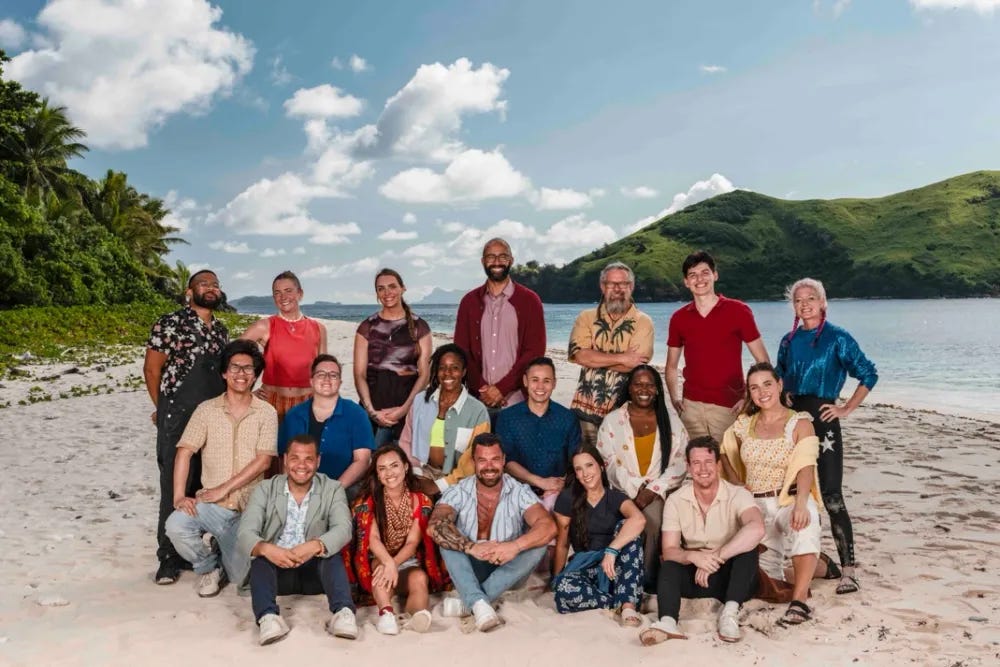
Survivor 49 began with three tribes, Hina, Uli and Kele, each with six members, for a total of 18 players.
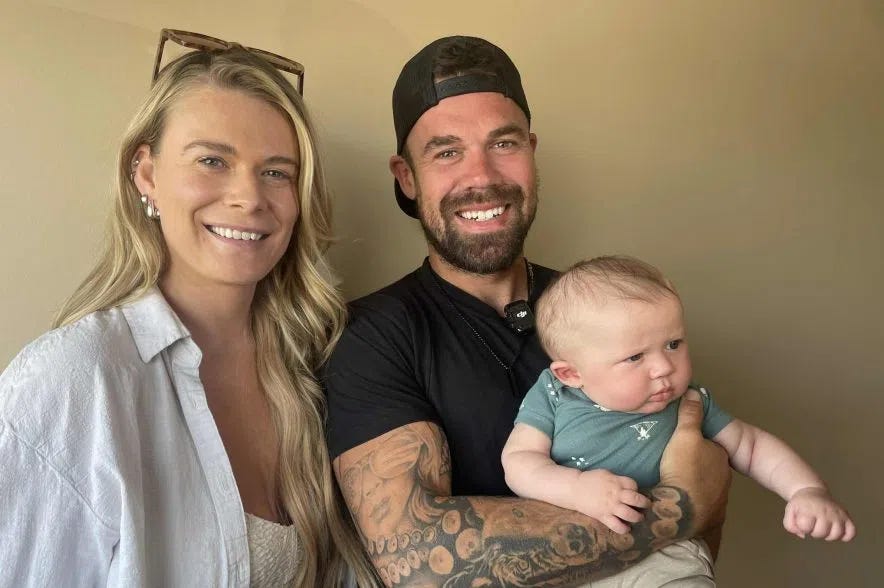
The Kele tribe lost the first three challenges and forced to eliminate 3 of its members. Then, in an unexpected twist, their de facto leader—a buff corrections officer named Jake—was bitten by a venomous snake while reflecting on the beach about his decision to play Survivor instead of witness the birth of his firstborn.
Off-screen doctors emerged from the hidden jungle thickets to administer First Aid and evacuate him to base camp. Jake was deemed safe from venom but was forcibly evacuated by the producers in time for the birth of his son. So, by circumstance and ineptitude of the Kele tribe’s members—if you see a snake, run!—Kele were whittled down to two, while the Hina and Uli tribes both remained at a healthy six.
Then, came the game’s first twist: tribe swap. Each castaway chose new tribe colors at random, mixing up players and alliances. The new Hina tribe, containing only two Hina members (Jason and Matt), lost the next two immunity challenges. The four Uli tribe members, Nate, Savannah, Jawan and Rizo were in the majority. The other remaining Kele tribe member, Sophi, smartly allied with the Uli majority. Uli, lead by Savannah with Nate as a figurehead, plotted to dispose of either Jason or Matt. For the first vote, the majority was split between Matt and Jason, with Matt receiving more votes, and being sent home. Jason was voted out at the next tribal council following their subsequent loss.
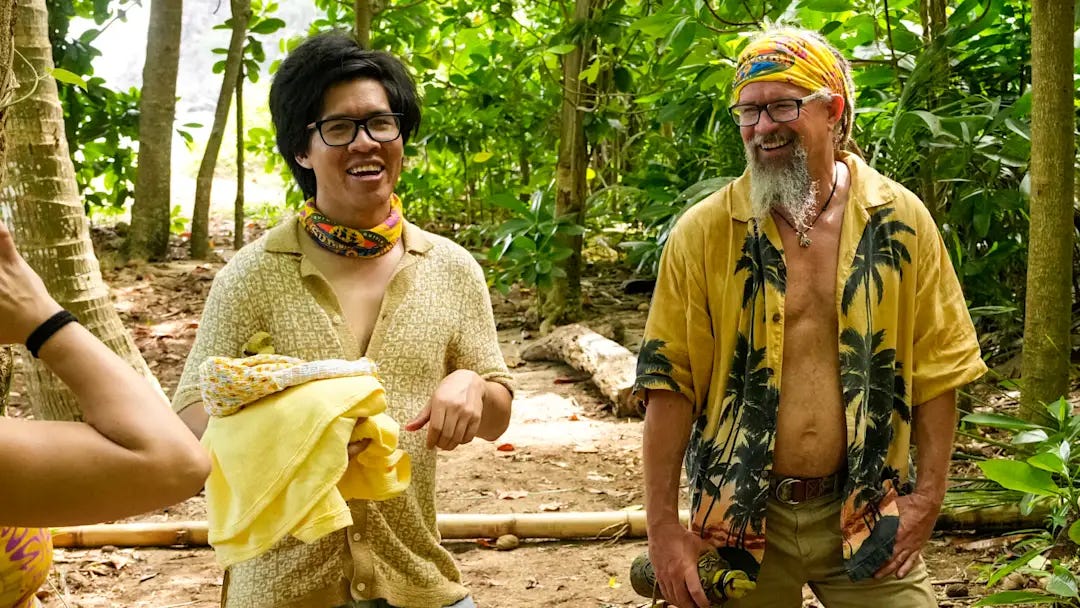
The old Hina members noticed the pattern and sought revenge, not just for personal reasons, but to even the playing field and fight for the ruling majority. But then, the game forced another tribe swap. The tribal merge was becoming elusive, perhaps it was not going to happen at all.
The second tribe swap placed a majority of Uli members (Shannon, Sage and Jawan) onto a tribe with Hina member Steven. When they lost the immunity challenge, one of them would be sent home.
From their early days in Uli, Sage secretly disliked Shannon for being disingenuous with other players, and made her feelings known in confessionals. Shannon meanwhile felt that Sage was one of her closest allies. Circumstances kept the two together through tribe swaps, and Sage conspired with Jawan and Steven to eliminate Shannon. After the votes were cast at Tribal Council, Shannon went in for a goodbye hug, which Sage refused.
Shannon’s elimination was Sage’s first power move.
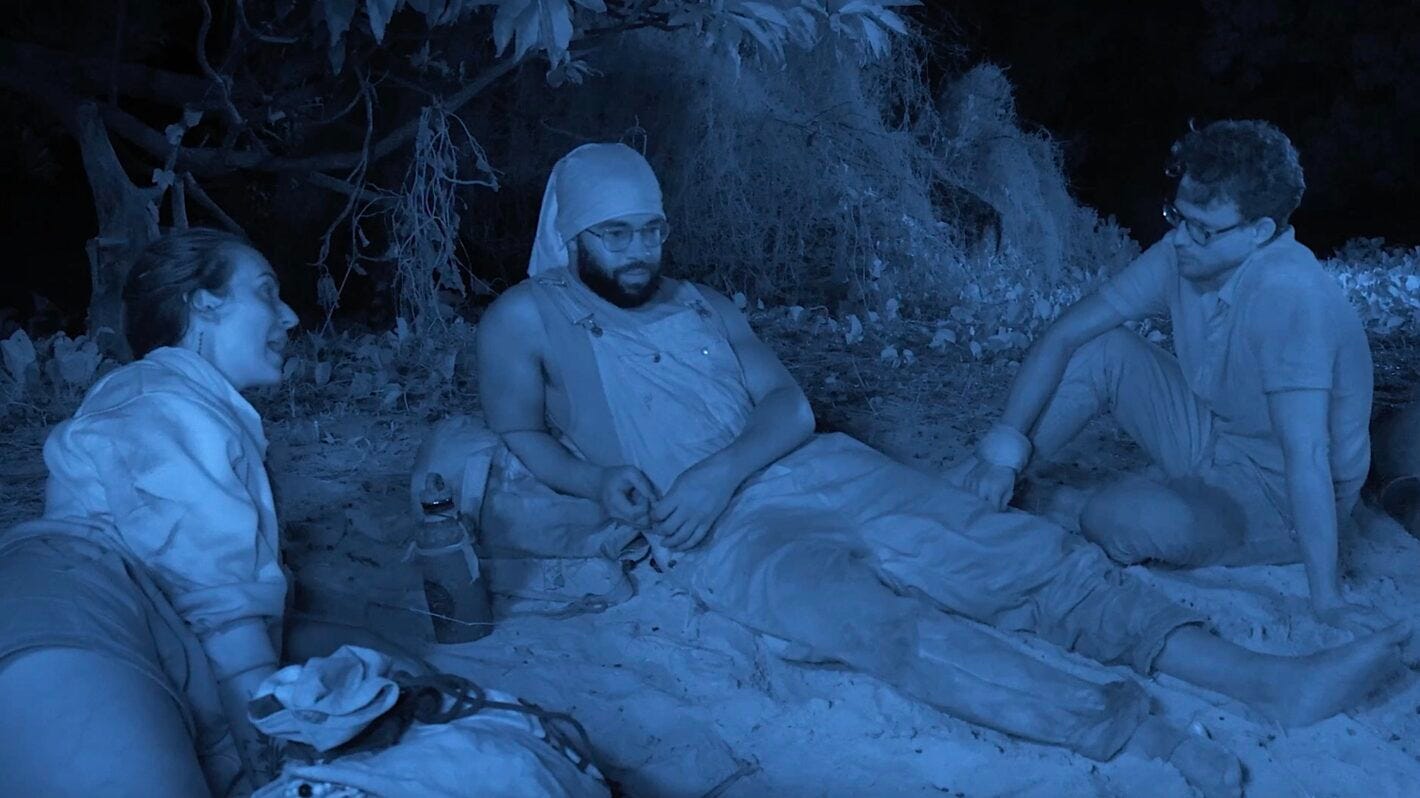
When tribes finally merged, the other Uli members noticed Steven’s presence over Shannon. Jawan, Sage and Steven all agreed on the lie that Shannon was voted out for “losing her mind” to keep secret their new alliance from the other Uli members.
POST MERGE
When the tribes merge, immunity is won at challenges on an individual basis. The single, merged tribe goes to tribal council after every challenge, and the individual winner of the immunity challenge cannot be voted out. (Modern Survivor complicates this format with twists designed to challenge veteran players and entertain viewers. Survivor 49 featured many such twists, but for clarity, they are omitted here.)
After the merge, eliminated players are not sent home immediately. Instead, they join the jury—returning to base camp clean, fed, and rested—where they silently observe Tribal Councils until the final vote.
Jurors do not speak until Final Tribal Council, where they are each allowed one question for the remaining three castaways. After hearing the finalists’ pleas, the jury votes for the Sole Survivor.
Post merge, Sophie from Hina won immunity.
(There are two castaways with similar names: Sophi from Kele, and Sophie from Hina.)
Nate and Rizo—quietly directed by “street boss” Savannah—chose to target Steven from Hina. Sophi, from the decimated Kele tribe, took refuge under Savannah’s wing.
Meanwhile, Jawan followed Sage’s lead. Sage allied with Hina members Steven, MC, Kristina, Sophie and Alex to orchestrate a blindside against Nate. The vote eliminated him decisively, shifting power into Sage’s hands. With a 7–3 majority, she emerged as the game’s Godmother.
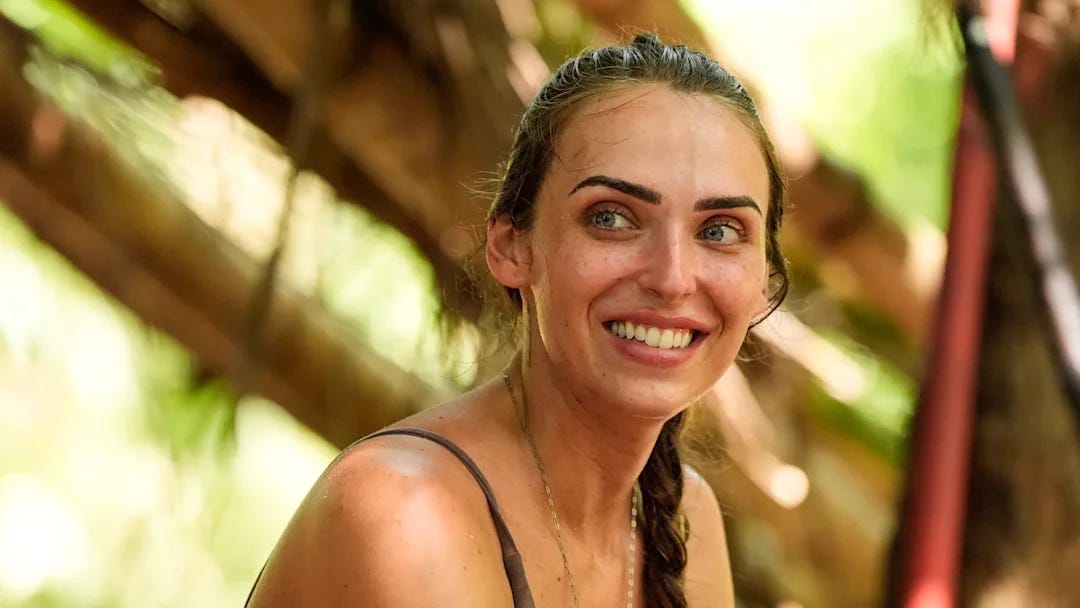
Unfortunately, Sage killed the wrong pig.
Nate was a sheep in wolf’s clothing. A stay-at-home dad and secret Marvel movie producer, Nate was not a cutthroat strategist. He was a mild-mannered, relaxed, and content to follow Savannah’s suggestions. His elimination was a bold message that there was a new boss. Savannah’s cover was blown.
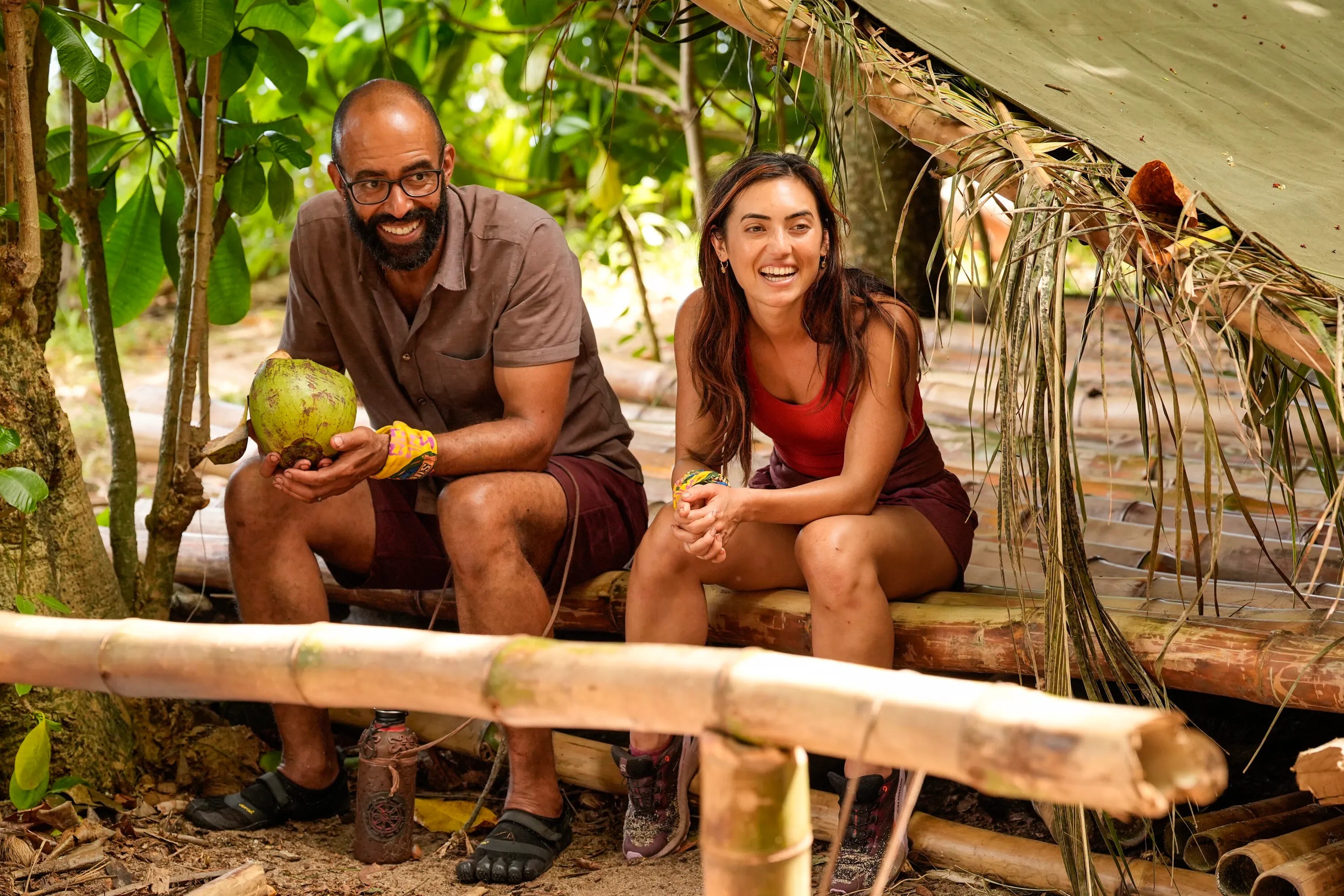
After this blindside, every vote cast at tribal council was a battle between Sage and Savannah. Castaways were eliminated based on their proximity to the orbit of these rivals.
The arcs of the remaining castaways are summarized below. Read them like eulogies.
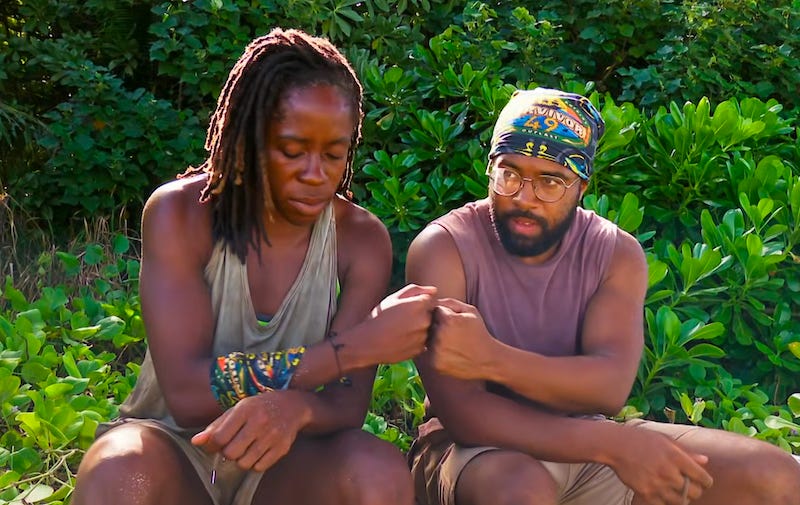
MC
MC began on Hina. She was athletic and consistent challenge contributor. for her tribe. She did not make enemies, but failed to build lasting alliances. On a side quest, MC found a hidden immunity idol. At the first post-merge Tribal Council, Jawan assured her she was safe if she voted against Nate. She played her idol anyway and Jawan took this as a sign of mistrust.
When another twist caused her to be a tribal council alongside better connected and immune players, MC had no protection left. With no close allies and no leverage, she appealed unsuccessfully to Jawan. She was deemed expendable and joined Nate on the jury.
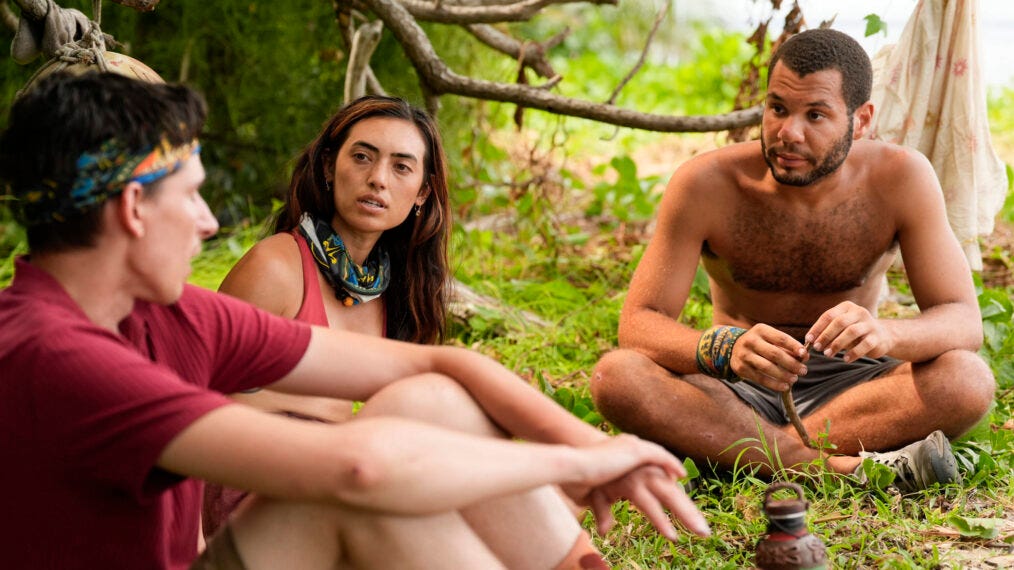
ALEX
Alex was a Kele member. He was the “street boss” of Kele, the brains pulling the strings behind Jake’s brawn. After Jake’s evacuation and another immunity loss, Alex chose to keep Sophi and eliminate Jeremiah.
During the tribe swap phase, Alex and Sophi were separated. When they reunited at the merge, they found little binding them beyond Kele’s failure. Unlike Sophi, who settled safely under Savannah and Rizo, Alex played free agent—attempting to balance both sides.
On the island, information travels fast. When Sage learned that Savannah and Rizo knew details only Alex possessed, she identified him as the leak. Sage and Rizo agreed to eliminate him.
Alex’s final words were simple: “I shouldn’t have played both sides.”
His elimination was a major win for Rizo—and a strategic loss for Sage, who lost a potential counterweight to Savannah.
JAWAN
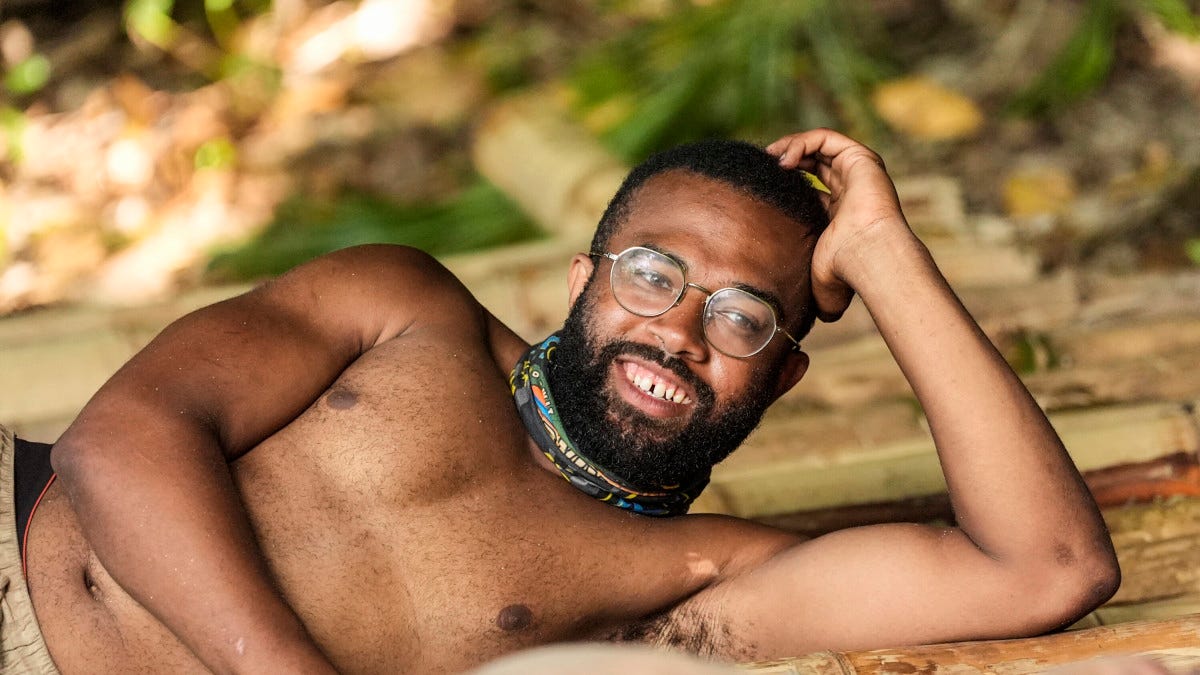
Jawan was an Uli member and Sage’s right-hand man. Loyal, good-natured, and occasionally sloppy, he frustrated Sage with loose lips—but she valued him beyond utility. She genuinely liked him.
Savannah never did.
Their conflict began early in Uli, when Jawan mistook Savannah’s bag for his own, dumped her belongings into the sand, and filled it with firewood.
Savannah attempted to eliminate him even before the merge, but tribal loyalty prevailed. Uli blood was thicker than water.
After the merge, Savannah waited patiently. When she saw an opening to blindside Jawan using Sophie as a swing vote, she took it.
Sage was devastated. She embraced Jawan with real tears. Jawan laughed on his way out. He loved every moment of Survivor.
SOPHIE
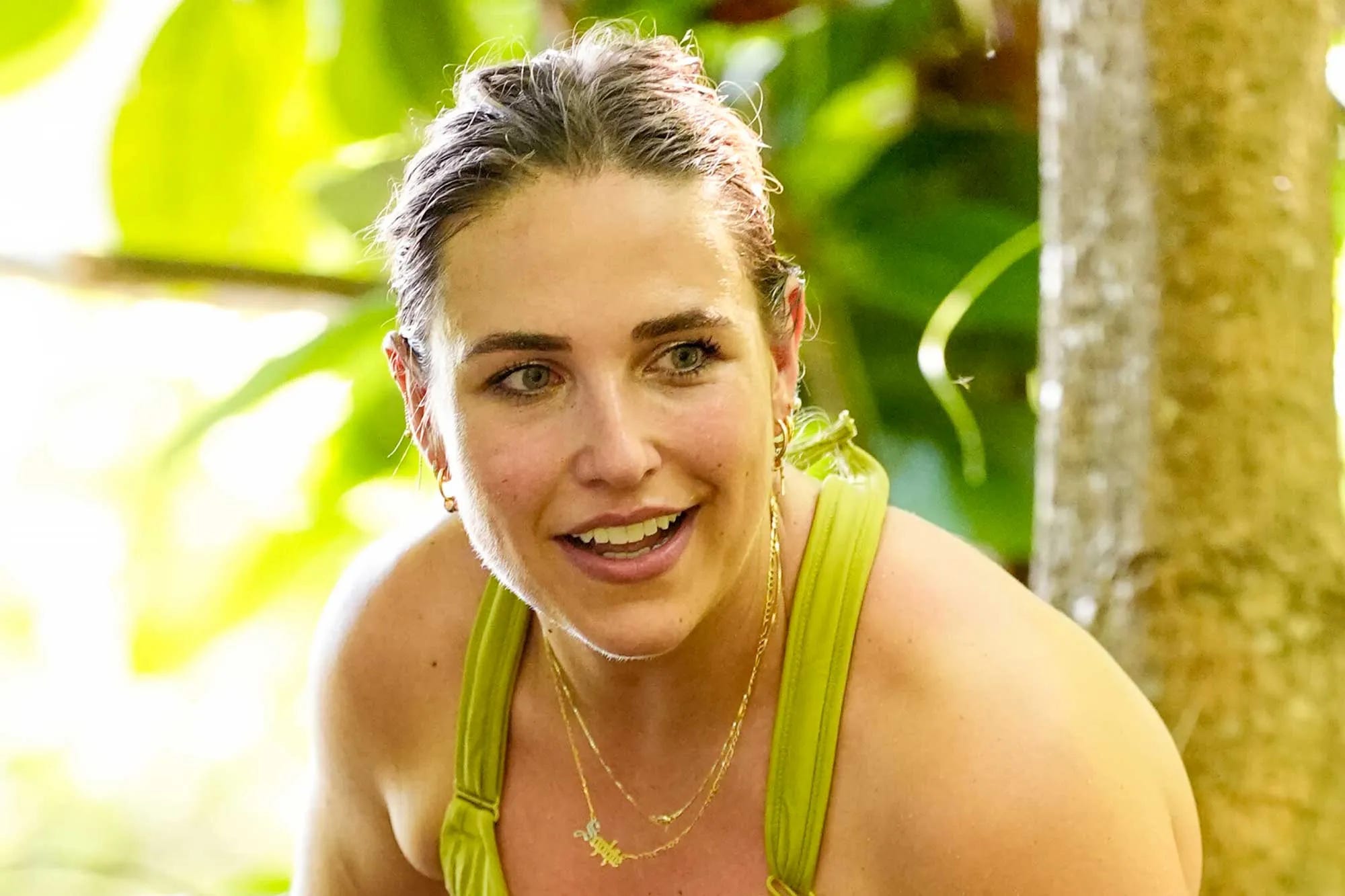
Sophie was nearly invisible pre-merge. After the merge, she believed herself a hinge between Sage and Savannah—strong enough to swing the game without fully committing.
She won immunity challenges at critical moments, keeping herself alive while refusing to choose a side. That ambiguity made her dangerous and untrustworthy.
When Sage attempted another move against Savannah, with votes secured from Steven and Jawan, Sophie instead sided with Savannah and eliminated Jawan. Kristina compounded the failure by misvoting, wasting her ballot.
Sage called a truce. Not out of trust—but vengeance.
With Steven immune, Sophie became expendable. Savannah was happy to betray her. Sophie was unanimously eliminated, stunned by the vote and alone in casting a ballot against Savannah.
Jawan flexed from the jury, and Sage smiled devilishly.
Betrayal is Survivor currency, but timing is everything.
STEVEN
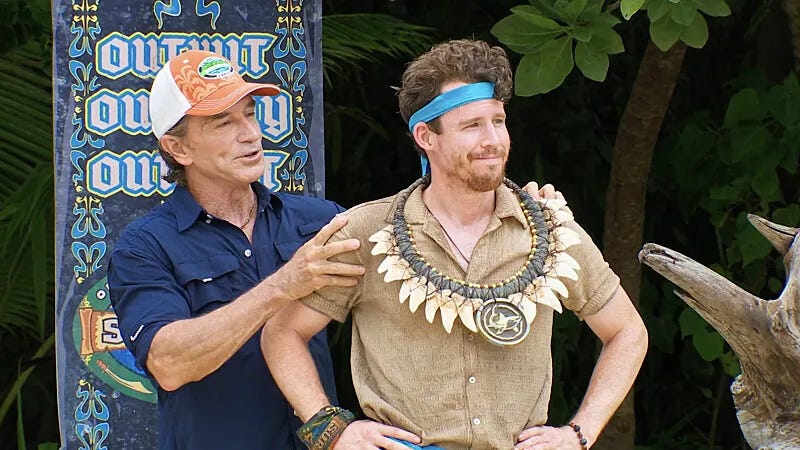
Steven was Savannah’s primary target from the merge onward. Savannah called him strong, funny, likable and brilliant, and therefore, unbeatable at Final Tribal.
Sage agreed implicitly. Steven was ally and rival.
Steven survived by winning immunity challenges exactly when needed. When he couldn’t, others fell in his place. On a grueling side quest, he won a vote-block advantage. The next day, he won immunity.
After Sophie’s elimination, Steven knew his time was short. When he lost immunity to Savannah, he attempted to rally Kristina and Sage to eliminate Sophi—the only unprotected member of the opposing alliance.
At Tribal Council, Steven blocked Savannah’s vote and cast his ballot for Sophi. Savannah reminded Sage of the obvious truth: Steven would win if he reached the end.
Sage and Kristina voted for Steven.
Steven stared at Sage in disbelief. She met his eyes and said, quietly:
“I couldn’t beat you, dude.”
KRISTINA
By this stage, tribe distinctions no longer mattered.
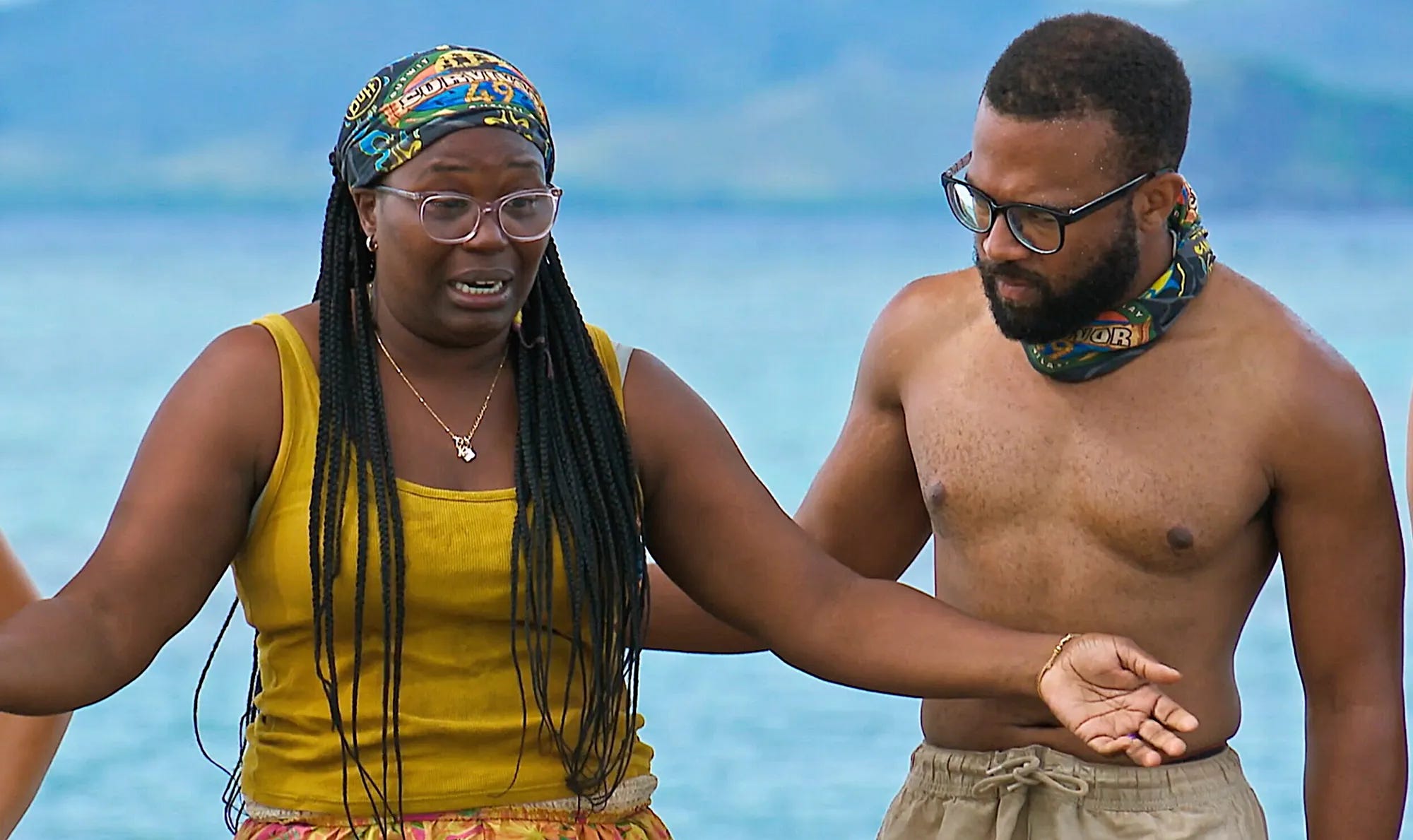
Kristina was kind, generous, and politically careless. She helped enemies without extracting value. She misplayed her idol. She missed signals. When Rizo floated the idea of eliminating Sage, Savannah shut it down—not out of mercy, but respect.
Instead, Savannah identified Kristina as “good at fire.”
Rizo did as he was told, and voted accordingly.
RIZO
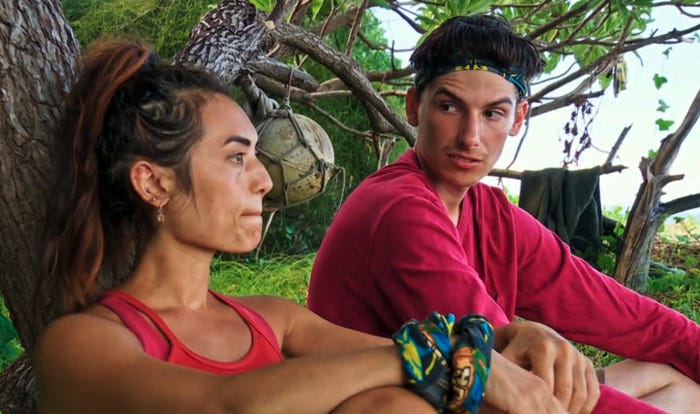
Rizo was Savannah’s closest ally. He found a hidden immunity idol early, hadvertised its existence loudly, and played it for Savannah only when it no longer mattered.
He didn’t win challenges; Savannah won for him.
Rizo and Savannah were powerful all season. Eliminating Rizo would require double blindsiding him; making him feel secure so as not to play his hidden immunity idol, and then voting him out.
Eliminating Rizo would have required a flawless double blindside. Sage never had the discipline across her coalition to pull it off.
Rizo was never betrayed by Savannah. He lost only at fire.
FINAL THREE
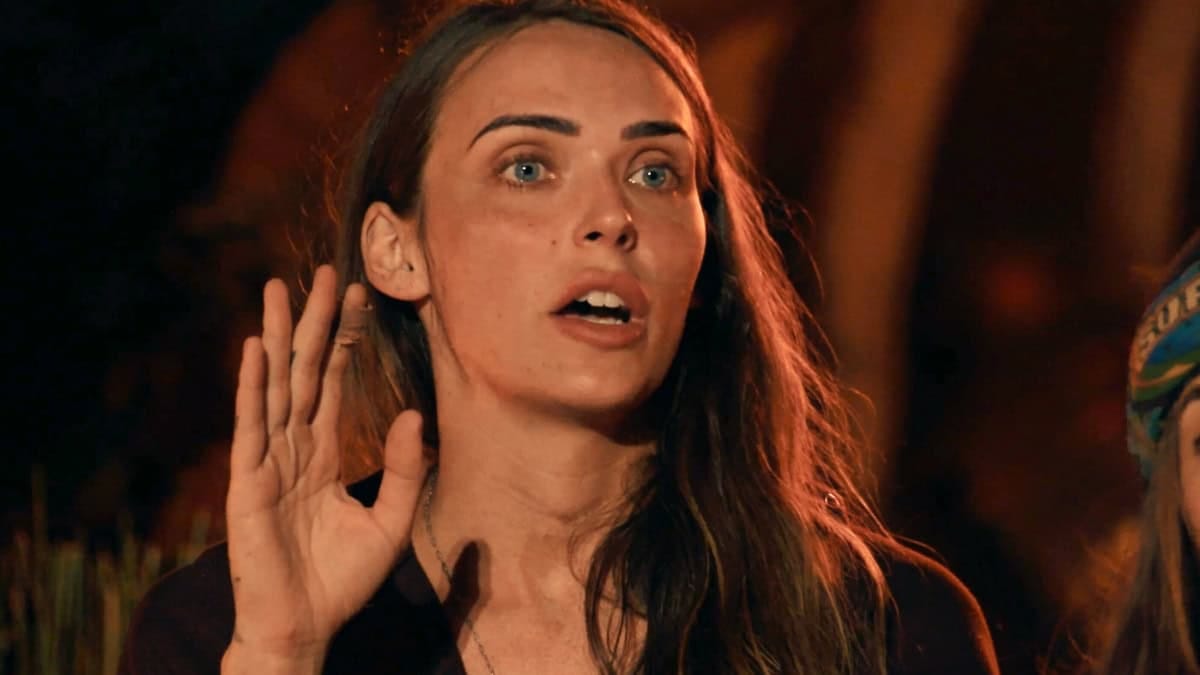
It is worth remembering that Sage and Savannah began on the same tribe.
Savannah called the shots with Nate as a human shield and Rizo as a clingy cheerleader, while Sage sat back and observed, like the weird and quiet new kid at the lunch table—resentful, analytical. Annoyed by Shannon early on when they were isolated together on a small tribe, Sage didn’t care to follow Savannah/Nate’s game plan of eliminating Hina tribe members, opting instead to eliminate Shannon with the help of Jawan and Steven.
From there, she shocked Savannah and Rizo by eliminating Nate and seizing control.
But control is not permanence.
With a 7-3 majority following that vote, she became the Godmother. Sophi kissed Sage’s ring, ingratiating herself and saying that her relationship with Savannah was only a fling, and only out of convenience.
Sage loomed over Savannah, and the entire game at that moment before Savannah won a critical immunity challenge.
At final tribal council, Steven, salty from betrayal, asked Sage how she was able to blow such a 7-3 advantage.
Simply put, not everyone was willing to be Jawan.
Sage played a strategic game that required competence from others. Savannah played a fear-based game that required only obedience.
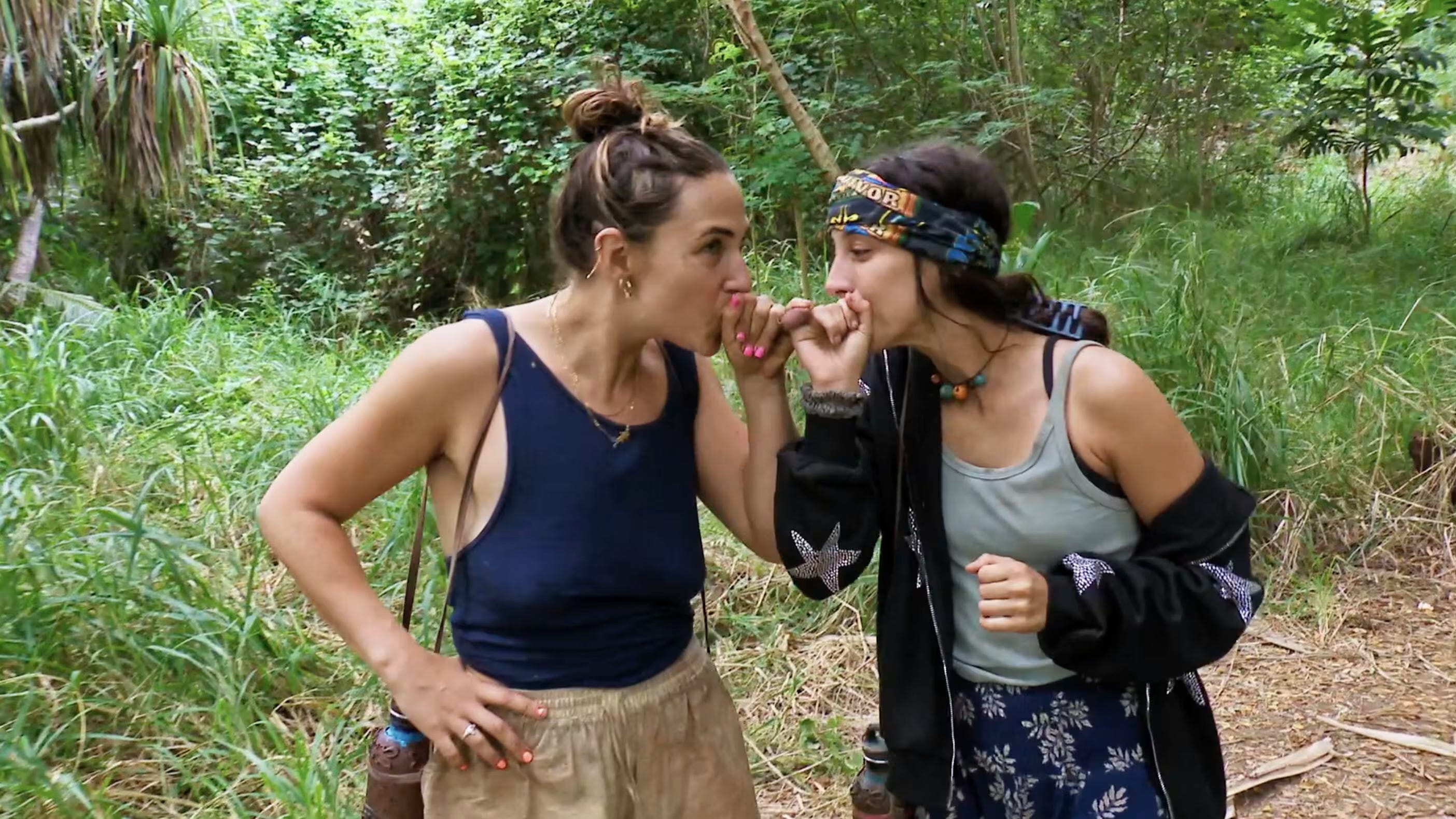
The last surviving member of the Kele tribe, Sophi survived by being harmless. She aligned permanently with Savannah post-merge and never posed a threat.
She won the final immunity challenge and chose fire—forcing Savannah and Rizo to compete. Savannah won. Rizo fell.
Sophi reached the end without making enemies or moves. She was still the pitiful, lost puppy, but she had been adopted by a millionaire.
That was not enough.
SAVANNAH
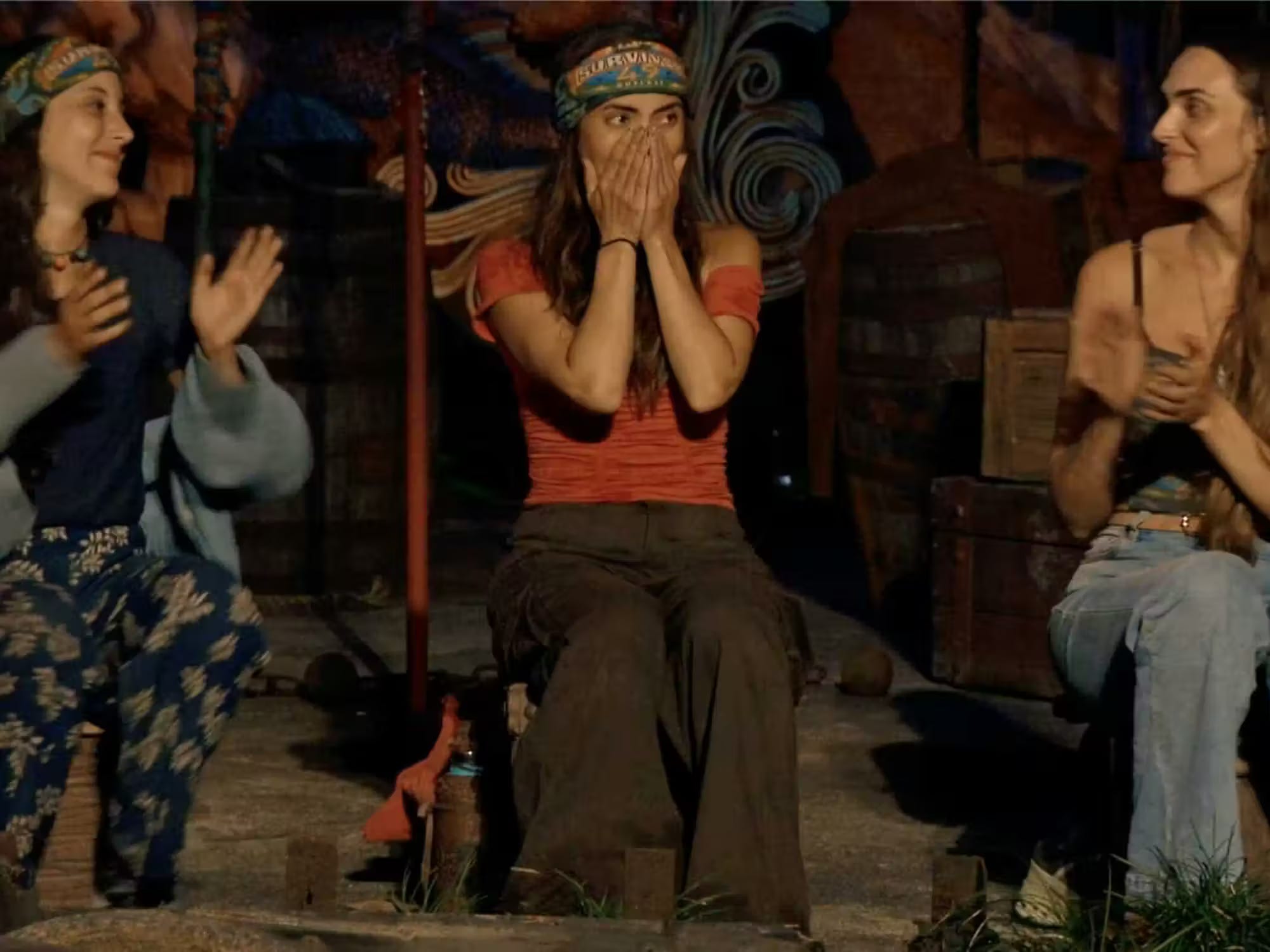
After the merge and Sage’s deception of Nate, Savannah was a dead woman walking—until she began winning immunity challenges, with Steven and Sophie sharing a distant second. Even then, her true insurance was Rizo. He held a hidden immunity idol and would have played it for her if necessary, a backup that allowed Savannah to operate aggressively.
Sage’s inability to corral a disjointed group of castaways to flush Rizo’s idol—or eliminate Savannah during the brief windows when she was vulnerable—helped preserve Savannah’s control. One by one, the outsiders Sage might have harnessed were picked off.
Savannah was physically fit, tiny and compact, and so dominant in endurance challenges that she shit-talked her opponents until they cracked under the mental pressure. More than once, during challenges, Sage begged Savannah for mercy—offering truces, alliances.
Savannah’s alliance with Rizo was tighter than the majority attempting to eliminate them, both in loyalty and protection. She identified threats like Steven and Sophie more accurately than Sage and pulled the right strings at the right moments to remove them. Sage’s elimination of Nate was only a message. Savannah survived the war.
Savannah’s guaranteed votes came from Rizo and Nate, her earliest and most loyal allies from Uli. She earned swing votes from Alex, Sophie, and Steven—not through sentiment, but through the political precision used to eliminate them and the physical dominance that kept her alive through repeated assassination attempts.
She dominated from an underdog position and deserved to win it all.
The first survivor was very different as the winner developed secret alliances. After that, alliances became a predictable part of the game. But the first show exemplified the real world the nature of teams. First they all went after the incompetents. But then, all the mediocre players formed alliances to get rid of the most talented contestants. So the winner has, ever since, been a collection of devious mediocre talents.
Great analysis of Season 49!
If Soph had used her advantage to steal Rizo's immunity, I think she would have had a better resume at Final Tribal Council! In the end, however, I do believe Savannah deserved to win!!! Looking forward to Survivor 50 with Savannah and Rizo among the castaways!